
As the seasons change and warmer weather approaches, spring offers the perfect opportunity to give your car a thorough check-up. Among the essential maintenance tasks, changing filters and fluids should be a top priority. Regularly replacing your vehicle’s filters and fluids helps ensure that your car runs smoothly, efficiently, and safely throughout the year. Spring maintenance is crucial for preparing your car for the demands of warmer temperatures, so here’s why changing your filters and fluids during this season is important.
1. Why Changing Fluids is Essential
Fluids are the lifeblood of your vehicle, and they play a vital role in the overall performance and longevity of your car’s systems. Over time, these fluids break down or become contaminated, leading to reduced effectiveness and potential damage to engine components. Spring is an ideal time to check and replace key fluids, including engine oil, coolant, brake fluid, transmission fluid, and power steering fluid. These fluids can wear out during the colder months, and replacing them will ensure your car is ready for the upcoming summer heat.
- What to do: Regularly check the fluid levels and condition of your car’s essential fluids. If the oil is dark and sludgy or the coolant appears dirty, it’s time to replace them. Always use the manufacturer-recommended fluids for your specific vehicle to maintain peak performance.
2. Engine Oil: Essential for Lubrication and Performance
Engine oil is crucial for keeping your engine’s moving parts lubricated and free of friction. Over time, oil degrades, becoming thicker and less effective. During colder months, oil can thicken and lose its ability to properly circulate, leading to increased engine wear and poor performance. In the spring, fresh oil will allow your engine to operate more efficiently, preventing overheating and extending the lifespan of engine components.
- What to do: Check the oil level and condition regularly, and replace it according to the manufacturer’s recommended intervals. A clean oil change helps reduce friction, improve fuel efficiency, and enhance overall engine performance.
3. Air Filter: Ensuring Clean Airflow for Optimal Engine Function
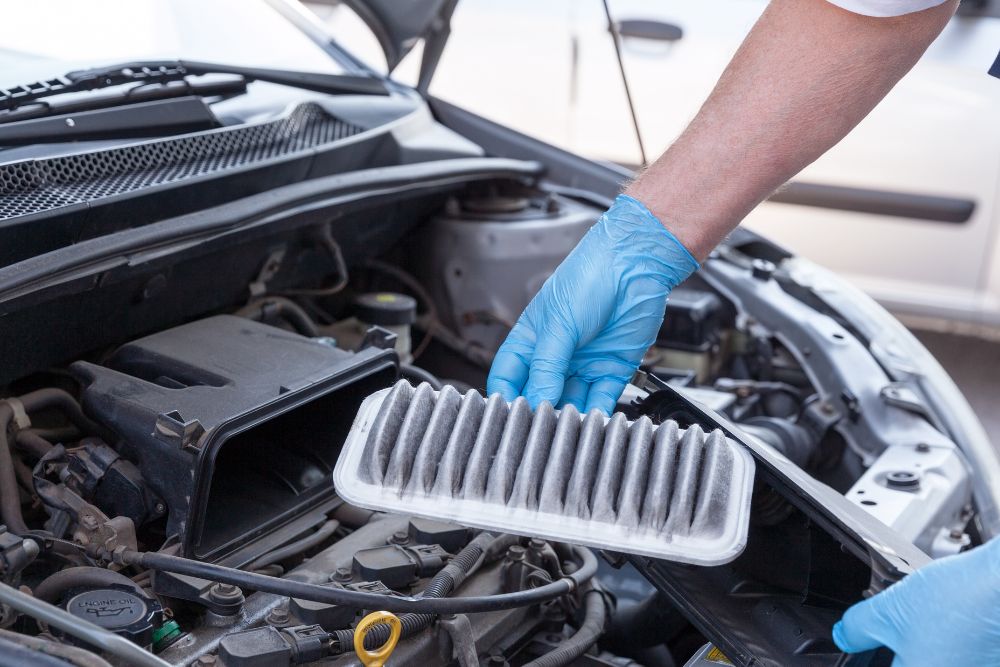
The air filter plays a key role in maintaining the engine’s performance by trapping dirt, debris, and other contaminants before they enter the engine. Over time, the air filter can become clogged with particles, reducing airflow and hindering engine efficiency. This can lead to poor acceleration, decreased fuel economy, and overall engine strain. Spring is an ideal time to replace the air filter, especially after a long winter, when debris, dirt, and moisture may have built up.
- What to do: Inspect your air filter regularly and replace it if it appears dirty or clogged. A clean air filter ensures optimal airflow, improving engine efficiency, fuel economy, and overall vehicle performance.
4. Cabin Air Filter: Breathing Easy Inside Your Car
The cabin air filter is responsible for filtering the air that enters your car’s interior through the ventilation system. Over time, the cabin filter can become clogged with dust, dirt, and other airborne particles. This can cause your HVAC system to work harder, reducing the effectiveness of heating and cooling and even affecting the air quality inside your car. Spring is the perfect time to replace the cabin air filter to ensure a comfortable and healthy driving environment.
- What to do: Replace the cabin air filter to ensure fresh, clean air circulates through the cabin. A new filter will help improve the efficiency of your HVAC system, ensuring that you stay comfortable no matter the weather outside.
5. Coolant: Preventing Overheating in Warmer Months
Coolant helps regulate the engine’s temperature, preventing it from overheating. Over time, coolant can lose its effectiveness, leading to potential engine overheating or freezing. It’s especially important to check the coolant levels and condition in the spring, before the heat of summer sets in. If the coolant is old or dirty, replacing it ensures the engine stays at the right temperature, preventing damage from overheating.
- What to do: Flush the radiator and replace the coolant according to the manufacturer’s schedule. Ensure the coolant is the proper mixture of antifreeze and water to withstand the warmer temperatures. This maintenance will help your engine run smoothly and avoid costly overheating issues.
6. Brake Fluid: Ensuring Safety on the Road
Brake fluid plays a critical role in the safety of your vehicle, enabling the braking system to function efficiently. Over time, brake fluid can absorb moisture, which reduces its effectiveness and can lead to brake failure. Spring maintenance is the perfect time to check and replace the brake fluid, ensuring that the braking system is operating at its best and that you’re ready for safe driving during the warmer months.
- What to do: Check the brake fluid level and condition regularly. If the fluid appears dark or murky, it’s time for a replacement. Replacing the brake fluid will improve brake response and safety, preventing dangerous situations on the road.
7. Transmission Fluid: Keeping the Transmission Smooth
Transmission fluid ensures that the transmission operates smoothly, shifting gears without friction or wear. Over time, transmission fluid can become dirty or low, leading to poor shifting, slipping gears, and possible transmission damage. Changing the transmission fluid during spring can help prevent these issues, extending the life of your transmission and improving your vehicle’s shifting performance.
- What to do: Check the transmission fluid level and condition, and replace it if necessary. Properly maintaining your transmission fluid helps ensure smooth shifting and avoids costly transmission repairs.
8. Power Steering Fluid: Maintaining Steering Control
Power steering fluid is essential for smooth and responsive steering. If the power steering fluid level is low or the fluid has become contaminated, it can lead to difficult steering, whining noises, and poor control, especially in tight or quick maneuvers. Spring is an excellent time to check and replace the power steering fluid to ensure smooth handling during the warmer months.
- What to do: Check the power steering fluid level and condition. If the fluid is low, top it up. If it’s discolored or contaminated, have it replaced to ensure optimal steering performance.
Spring Maintenance for a Smooth Ride
Changing your car’s filters and fluids in the spring is an essential part of maintaining its performance, safety, and longevity. By ensuring that your engine oil, air filters, cabin air filters, coolant, and other fluids are clean and fresh, you can avoid costly repairs and improve your vehicle’s efficiency. Spring maintenance is your opportunity to get your car ready for the demands of the warmer months, ensuring that it runs smoothly, efficiently, and safely throughout the year. Make sure to schedule regular fluid and filter checks, and your vehicle will be ready to handle whatever the road brings your way.